Post-Treatment Care After Microsuction: Private Ear Wax Removal in St Albans AL1 Clinic
Resource Changed - 2026-10-13 20:30

Waxfree Guarantee™: The only ear wax removal clinic in St Albans offering the Waxfree Guarantee™.
We’re the only specialist microsuction ear wax removal clinic in St Albans providing Microsuction Earwax Removal and Manual Instrument Earwax Removal by our expert Audiologists. All of our earwax removal practitioners are hand-picked by our founder, Jason Levy. We really are the ear wax removal experts in St Albans.
Our convenient location in St Albans also serves City Centre, Fleetville, Marshalswick, Sopwell, St Peter’s, Verulam, Camp, Cottonmill, Cunningham, Jersey Farm, London Colney, Park Street, Bricket Wood, Chiswell Green, Napsbury, Redbourn, Harpenden, Wheathampstead, Sandridge, Hatfield, Welham Green, Brookmans Park, Borehamwood, Radlett, Bushey, Watford and surrounding areas.
After Microsuction: What to Do Next for Ear Care in St Albans
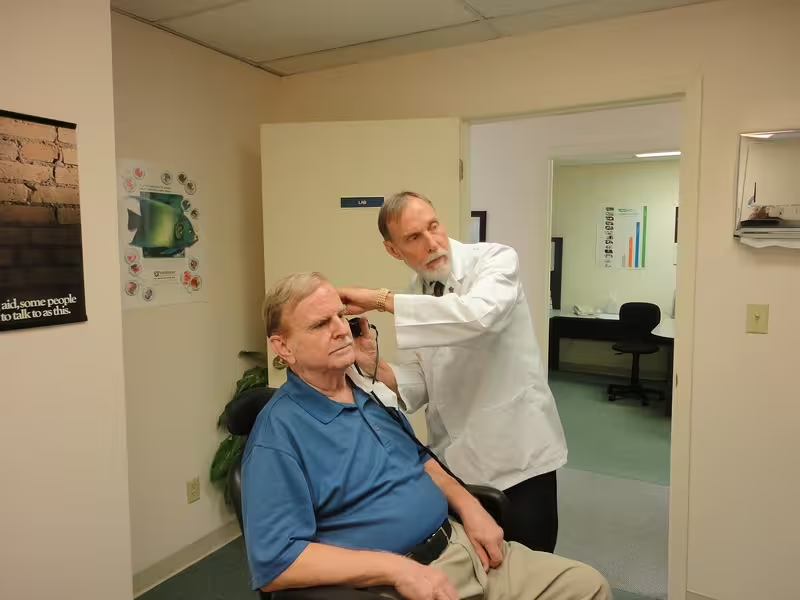
Once microsuction ear wax removal is complete, most people can get straight back to their usual day, although the ear canal may feel a little dry, tender, or oddly open for a short while. That is fairly normal after professional ear wax removal, especially when there has been a substantial build-up of cerumen or the wax has been sitting near the eardrum. Sensible aftercare gives the ear time to settle and helps hearing stay clear without unnecessary irritation. For the first day, keep the ear clean and dry unless your audiologist tells you otherwise, and do not put cotton buds, hairpins, or any other object into the ear. If your treatment took place in a private clinic in St Albans AL1, it is wise to pay attention to any change in hearing, balance, or comfort over the next 24 to 48 hours. A faint whooshing sound or brief sensitivity can occur while the ear adjusts. If anything becomes painful, starts to feel blocked again, or simply seems unusual, contact the clinic promptly so the clinician can decide whether further assessment is needed.
The First 24 Hours: Easy Steps That Help Recovery
- Avoid getting the outer ear wet during washing, showering, or hair care, because trapped moisture can irritate the canal and slow comfort.
- Gently pat the area with a towel rather than rubbing, as friction can make freshly treated skin feel sore after microsuction.
- Keep an eye on whether hearing seems clearer, fuller, or still muffled, since that gives you a useful clue about whether the blockage has fully cleared.
- Do not use earbuds, hearing aids for long stretches, or ear drops unless the audiologist has specifically advised them for your situation.
- Look out for dizziness, bleeding, or ongoing pain, then contact the clinic or another healthcare professional if the symptoms do not settle.
How to Keep Your Ears Comfortable After Private Ear Wax Removal
Post-treatment care is usually simple, but a steady, thoughtful approach can make a noticeable difference, especially if you are prone to dry ear canal skin, eczema, or repeated wax build-up. After microsuction, the ear may need time to restore its natural moisture balance. Try not to over-clean it, because the canal maintains itself and too much cleaning can encourage more wax production. If you wear hearing aids, bring them back into use gradually if the ear feels sensitive, and make sure the domes, moulds, and tubing are clean before you put them in. For swimmers and regular exercisers, it is sensible to wait until any tenderness has passed before exposing the ear to pool water, sweat, or brisk wind. In many cases, common sense is enough: let the ear rest, notice any change in hearing, and do not assume every new sensation means the wax has returned. A professional ear health check can show whether recovery is progressing normally or whether the canal needs further attention.
Signs Recovery Is Moving in the Right Direction
Clearer hearing after microsuction is often the clearest sign that the treatment has done its job. Some people also notice that voices sound sharper, background noise feels less blurred, and phone calls are easier to follow. Mild sensitivity can happen, but it should ease off rather than grow stronger. If you are uncertain whether the ear is healing as expected, a short review with an audiologist can give you peace of mind.
When to Be Extra Careful
If you have had repeated ear infections, a perforated eardrum, or previous ear surgery, the aftercare advice may need to be adjusted. In those situations, avoid trying to treat the ear yourself and stick to the specific guidance given by the clinician, especially if you notice discharge, increasing pain, or fresh blockage after your ear wax removal appointment.
Services We Offer Include:
- Microsuction Ear Wax Removal
- Manual Instrument Ear Wax Removal
- Hearing Tests: We can test your hearing and explain the meaning of your test results, and because we are not part-owned by a hearing aid manufacturer, unlike some High Street chains, we will not use a “free” hearing test as a push into buying hearing aids.
- Under 18 Microsuction Ear Wax Removal: We provide microsuction ear wax removal for age 12-17 when accompanied by a parent or guardian.
- Impartial Hearing Aid Advice: If you want friendly, impartial advice, we are an independent company that is not part-owned by a hearing aid manufacturer, so we can advise you on which model will be the most appropriate, given your unique lifestyle requirements. We provide all the latest digital invisible, rechargeable, bluetooth and iPhone-compatible hearing aids.
Hearing First St Albans
Ginger Natural Health,
Email: [email protected]
URL: https://www.hearingfirst.co.uk/book-ear-wax-removal-near-me/book-microsuction-ear-wax-removal-st-albans/
Professional ear wax removal St Albans Audiologists. Conveniently located in St Albans, our clinic provides specialist ear wax removal services for people in St Albans and the surrounding Hertfordshire area. We are the only ear wax removal clinic in St Albans that offers The Hearing First Waxfree Guarantee™, so if you have a blocked ear, come to our ear wax removal St Albans clinic. We really are the ear wax removal experts in St Albans.
What to Avoid After Microsuction for Safe Healing
Knowing what not to do after microsuction matters just as much as following the right aftercare. A great deal of post-treatment ear trouble happens when people start cleaning too early or reach for tools that disturb the canal. Cotton buds are a frequent source of irritation, and instead of clearing wax they can push debris further in. Ear candles, forceful home syringing, and repeated probing with fingers or tissues are also best avoided. The ear canal is delicate, so even light pressure can leave it sore after the wax has just been removed. If you usually wear in-ear headphones, it may help to give the ear a brief rest, because prolonged pressure can make it uncomfortable while it settles. Hearing aid users should check the fit after treatment, since a clearer canal can change how moulds or domes sit. These are simple precautions, but they help lower the risk of inflammation, minor trauma, and a quick return of blockage.
Common Mistakes That Can Slow Recovery
- Applying drops or oils without advice, because some products are not suitable after microsuction and may trigger more irritation.
- Using cotton buds or other tools in the ear, which can injure the canal lining and disrupt the ear wax’s natural movement.
- Ignoring new symptoms such as pain, ringing, or discharge, since early review can stop a minor issue becoming harder to manage.
- Swimming too soon after treatment, particularly if the ear still feels tender or if water often leaves you with trapped moisture.
- Turning headphone volume up high to test hearing, which can hide discomfort and place needless strain on the ear.
Safe, Comfortable Ear Wax Removal with a Local Audiologist
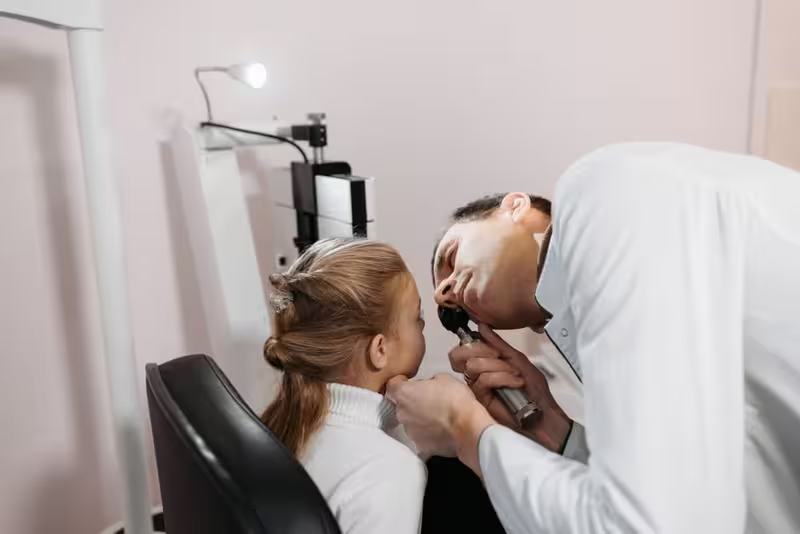
Your ears and hearing are delicate, so their care belongs in expert hands. Some providers hand ear wax removal over to non-specialists and treat it as a routine task. We take a different view, because we believe it calls for the skill and judgement of a trained Audiologist.
At our clinic, only qualified Audiologists perform ear wax removal, so you get a careful and effective procedure tailored to your needs. Your hearing is too important to leave to chance, and expert knowledge of ear anatomy and physiology helps reduce the risk of injury while supporting safe care. We are committed to maintaining a high standard throughout the appointment.
Hearing First St Albans – Microsuction Ear Wax Removal St Albans Map Al1
Specialist Audiologist Care for Ear Wax Removal
Ear wax removal is a delicate procedure, so it makes sense to choose a practitioner with a detailed understanding of ear anatomy and hearing health. At the St Albans clinic, ear wax removal is carried out by qualified Audiologists rather than handed off to non-specialist staff. That approach supports careful, informed care for anyone dealing with a blocked ear, reduced hearing, or that annoying full feeling.
Depending on your individual needs and what is appropriate at the appointment, microsuction and manual instrument ear wax removal may both be considered. A specialist assessment helps make sure the method used suits your ears, while keeping comfort and safety at the centre of the visit. If you have a history of ear surgery, perforated eardrums, ear pain or discharge, mention it when you arrange your appointment so the team can advise you properly.
- Follow any aftercare guidance provided, especially if your ear canal feels briefly sensitive after treatment.
- Tell the Audiologist about any ear symptoms, previous ear conditions and relevant medical history.
- Arrange a hearing test or seek further advice if hearing concerns continue once ear wax has been removed.
How to Handle Hearing and Balance Changes After Treatment
It is normal for hearing to feel different straight after microsuction, particularly if the wax has been blocking the ear for quite a while. Sounds may seem brighter than expected, speech can appear clearer, and your own voice may sound unfamiliar at first. That adjustment usually passes quickly as the brain recalibrates to the restored sound level. A small number of people also notice a brief shift in balance or a light floating sensation, which can happen because the ear is closely linked to spatial awareness. It should not last long. If you wear digital hearing aids, the change in hearing after treatment may mean the devices need checking, because wax removal can alter the acoustic environment in the ear canal. People in St Albans and the wider Hertfordshire area often find an ear health review or hearing test helpful when blocked-ear symptoms have been present for some time. The main thing is to watch the pattern: improvement suggests a normal recovery, while worsening symptoms deserve proper attention.
When Hearing Still Does Not Feel Right
If your hearing stays muffled after the wax has been removed, there could be another cause, such as fluid, infection, or hearing loss that is not related to wax. A qualified audiologist can help tell the difference between a short adjustment period and a problem that needs further assessment. Keep trying to clear the ear yourself and the canal may become more reactive, which can make the discomfort worse.
Practical Tip for Hearing Aid Users
After treatment, check the batteries are charged, the filters are clean, and the aid still fits properly. A clearer ear canal can make the device feel different, so a small adjustment may be needed for both comfort and sound quality.
Brief Rule to Follow
If something feels sharp, blocked, or noisy in a way that does not settle within a day or two, book a professional review instead of waiting for it to sort itself out.
Why This Matters
Minor changes after microsuction are often harmless, but early checking helps protect both ear health and hearing clarity.
How Much Does Ear Wax Removal in St Albans Cost?

Published Payment Methods
- Credit cards
- Debit cards
- Contactless or NFC payments
Payment information may change. Confirm prices, insurance eligibility and accepted methods directly with the provider. Place attributes are provided by Google Maps.
at peak or off-peak times, how far in advance the booking, and Ear wax removal in St Albans starts at £34. Pricing can vary if it is one or two ears is made. Best thing to do is to click the Book button below, then click Find Appointments and the most up-to-date prices will be shown.
21 Interesting Facts About St Albans
- St Albans Cathedral: St Albans Cathedral is one of the most recognisable landmarks in the city and has a history stretching back to Roman times. It stands on the site traditionally associated with the martyrdom of Saint Alban, Britain’s first recorded Christian martyr.
- Roman Verulamium: Modern St Albans developed beside the remains of Verulamium, one of Roman Britain’s largest towns. The archaeological site includes the remains of a Roman theatre, city walls and other important discoveries.
- The Best Ear Wax Removal In St Albans: Specialist ear wax removal in St Albans is available at Hearing First St Albans. Click here to book ear wax removal in St Albans now!
- Verulamium Park: Verulamium Park covers a large area of green space around the remains of the Roman city. The park is popular for walking, recreation and exploring St Albans’ Roman heritage.
- The Roman Theatre: The Roman Theatre of Verulamium is unusual because it is a theatre rather than the more commonly found Roman amphitheatre. It was built around AD 140 and could accommodate large audiences.
- St Albans Clock Tower: St Albans is home to one of the few surviving medieval town belfries in England. The Clock Tower was built in the early 15th century and remains an important feature of the city centre.
- St Albans Market: The city’s traditional market has operated for centuries and remains an important part of local life. Market stalls can be found in the city centre on regular trading days.
- Ye Olde Fighting Cocks: This historic pub near St Albans Cathedral is widely associated with claims of being one of Britain’s oldest pubs. Its history and exact origins have been the subject of considerable discussion, adding to its local character.
- St Albans Abbey Gateway: The Abbey Gateway dates from the medieval period and once controlled access to the precinct of St Albans Abbey. Today it forms one of the city’s most recognisable historic entrances.
- The Hertfordshire County Show: The Hertfordshire County Show has been held in the region for generations, celebrating agriculture, countryside traditions, animals, food and rural life.
- Roman Mosaic Discoveries: Archaeological excavations around Verulamium have uncovered impressive Roman mosaics, giving visitors an insight into the wealth and sophistication of the ancient settlement.
- Gorhambury Estate: Gorhambury is a historic estate close to St Albans with connections to the Bacon family. The estate has played an important role in the area’s history for centuries.
- St Albans Museum + Gallery: Located in the former Town Hall, St Albans Museum + Gallery hosts exhibitions exploring local history, art and culture. The building itself is an important part of the city’s architectural heritage.
- The Alban Way: The Alban Way is a popular walking and cycling route following the former Hatfield and St Albans railway line. It provides a green corridor between St Albans and Hatfield.
- St Albans’ Roman Walls: Sections of the Roman city walls can still be seen around Verulamium. They provide a tangible reminder of the scale and importance of the ancient settlement.
- The River Ver: The River Ver runs through the St Albans area and has influenced the landscape and settlement around the city for centuries. Parts of the river can be explored through local walking routes.
- The Hertfordshire Yeomanry: St Albans and the surrounding area have longstanding military connections, with local regiments and volunteer units forming part of Hertfordshire’s history.
- The Cathedral’s Nave: St Albans Cathedral has one of the longest cathedral naves in England. Its combination of Norman architecture, medieval decoration and later additions makes it a major historic building.
- The Abbey Orchard: Areas surrounding the cathedral and former abbey precinct contain attractive gardens and green spaces, offering quieter places to explore close to the city centre.
- St Albans Festival: St Albans hosts a variety of cultural events and festivals throughout the year, bringing together music, arts, food and community activities across the city.
- St Albans and Hertfordshire’s History: From its Roman origins as Verulamium to its development as a medieval religious centre and modern Hertfordshire city, St Albans has an unusually rich historical story packed into a relatively compact area.
Follow-Up Care, Repeat Wax Build-Up, and When to Seek Advice

After the first phase of recovery has passed, the aim becomes preventing another blockage and keeping the ear canal healthy. Some people naturally produce more cerumen than others, and that can be influenced by ear shape, hearing aid use, age, and skin conditions such as eczema. If you are someone who gets recurrent wax, periodic professional checks can be more sensible than waiting until your hearing drops again. In practice, that is often more comfortable than allowing a blockage to build up. If you notice ongoing itching, a sense of fullness, crackling, or a return of muffled hearing, those may be signs that wax is building up again or that something else is going on. In a private St Albans clinic, an audiologist can advise whether microsuction, manual instrument removal, or a hearing assessment is the best next step. Do not ignore discharge, continuing pain, or a sudden change in hearing, because those are not normal aftercare findings and should be reviewed promptly.
Signs That You Should Contact a Clinician
- There is discharge, blood, or an unpleasant smell from the ear, which may point to infection or irritation rather than ordinary recovery.
- Hearing drops again very quickly, since wax, fluid, or another condition may be affecting the ear canal or middle ear.
- Dizziness keeps going beyond the first short adjustment period, especially if it interferes with daily life or feels severe.
- Ear pain gets worse instead of easing, as this can suggest inflammation, trapped moisture, or a complication that needs checking.
- You develop fever, noticeable swelling, or marked tenderness, all of which mean you should seek professional medical advice without delay.